Most advice on keeping a house warm is a list of tips in no particular order. Order matters. Add insulation before you seal air leaks and you bury the leaks. Seal a house tightly without sorting out ventilation and you trap moisture. Cambridge has homes of every age, from the old cores of Galt, Preston and Hespeler to new subdivisions, and the sequence below works for all of them.
Step 1: Find out what you are working with
Before spending anything, look. Your house type tells you a lot about what is likely above the ceiling, which we cover in what your house type tells you. Then check the attic itself using how to know if your attic needs more insulation.
Step 2: Fix moisture and remove damaged material
Natural Resources Canada’s Roofs and attics guide is direct on this: if insulation is wet, do not cover it until the moisture source is fixed and the insulation is dry. Anything mouldy or contaminated should come out. See attic mould and insulation removal in Cambridge and our attic insulation removal service.
In older homes, look out for vermiculite. Leave it undisturbed and have it assessed.
Step 3: Seal the air leaks
The same guide notes that leaks around chimneys, vents, plumbing pipes and electrical boxes can account for substantial heat loss. This is the step most often skipped and the hardest to go back to once the insulation is down. AeroBarrier is an option when you want the whole envelope tightened.
Step 4: Protect the ventilation
Install baffles at the eaves so the soffit vents stay open after new insulation goes in. This keeps the roof deck dry and helps prevent ice dams.
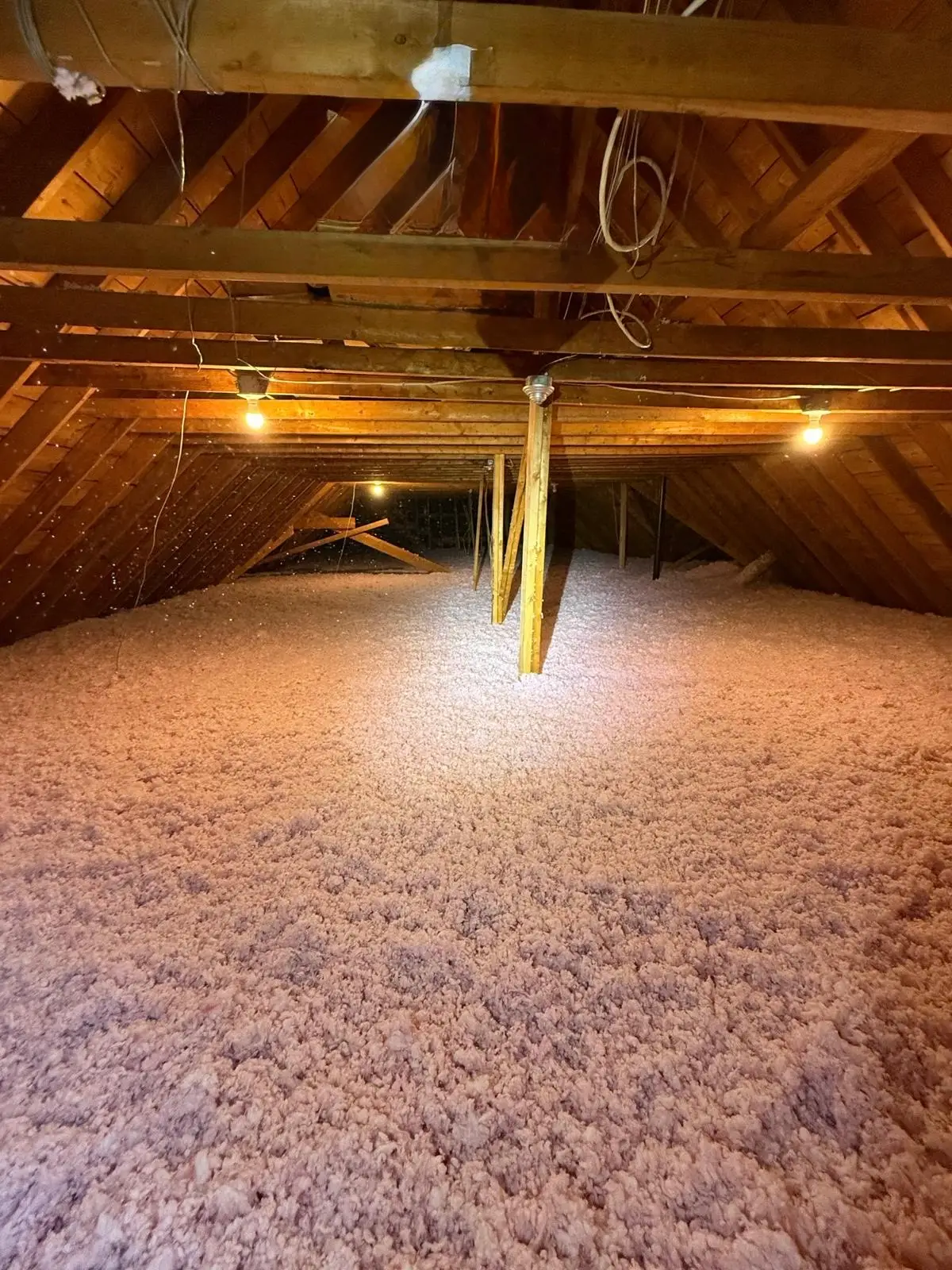
Step 5: Add attic insulation
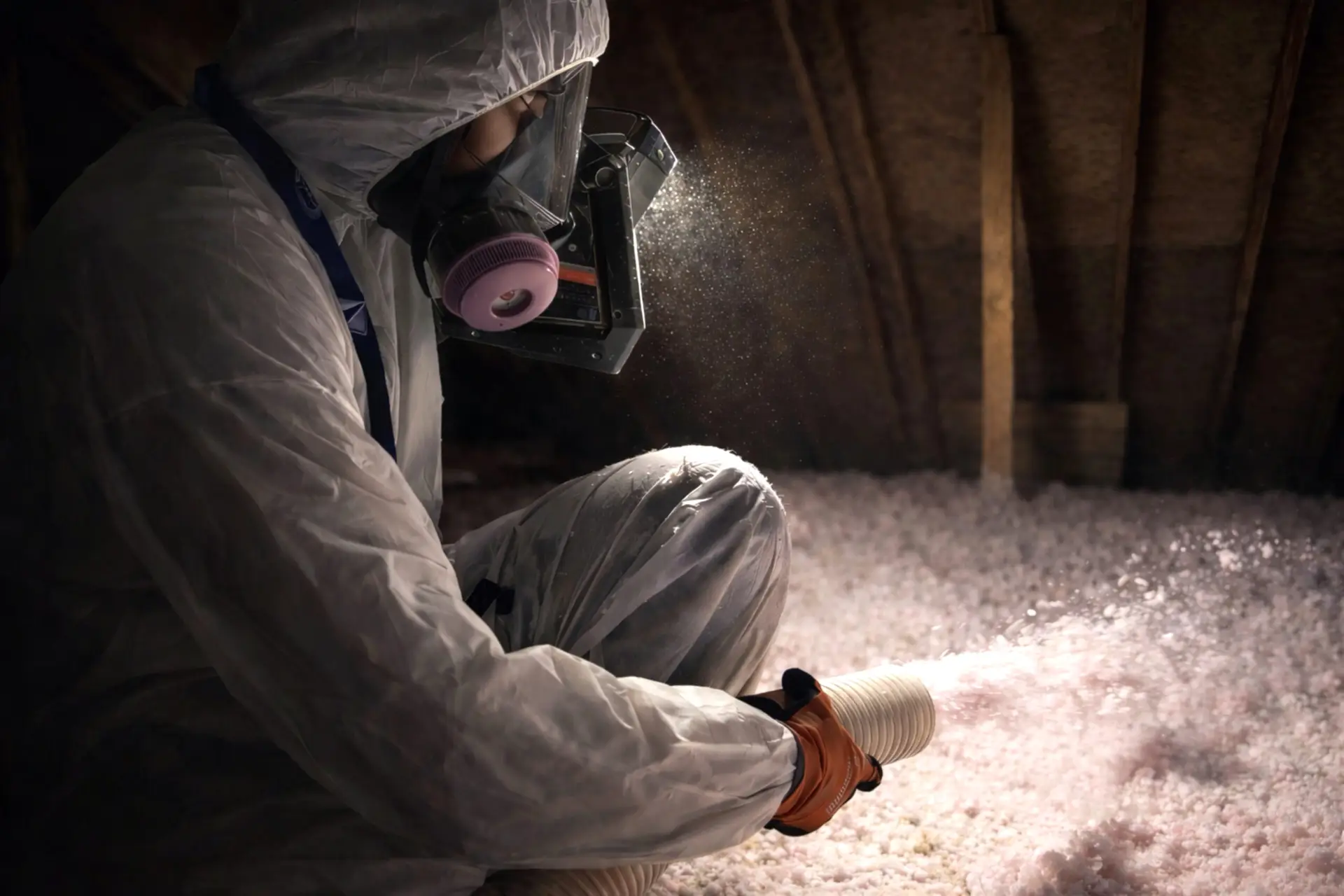
Now the insulation goes in, over a sealed, dry, ventilated attic floor. Our attic insulation service in Cambridge uses blown-in material:
- Cellulose, which is dense and slows air movement.
- Fibreglass, which is lighter and usually costs less.
Step 6: Move down the house
With the top done, turn to the rest. Natural Resources Canada notes that basements and uninsulated walls can lose more heat than a typical attic.
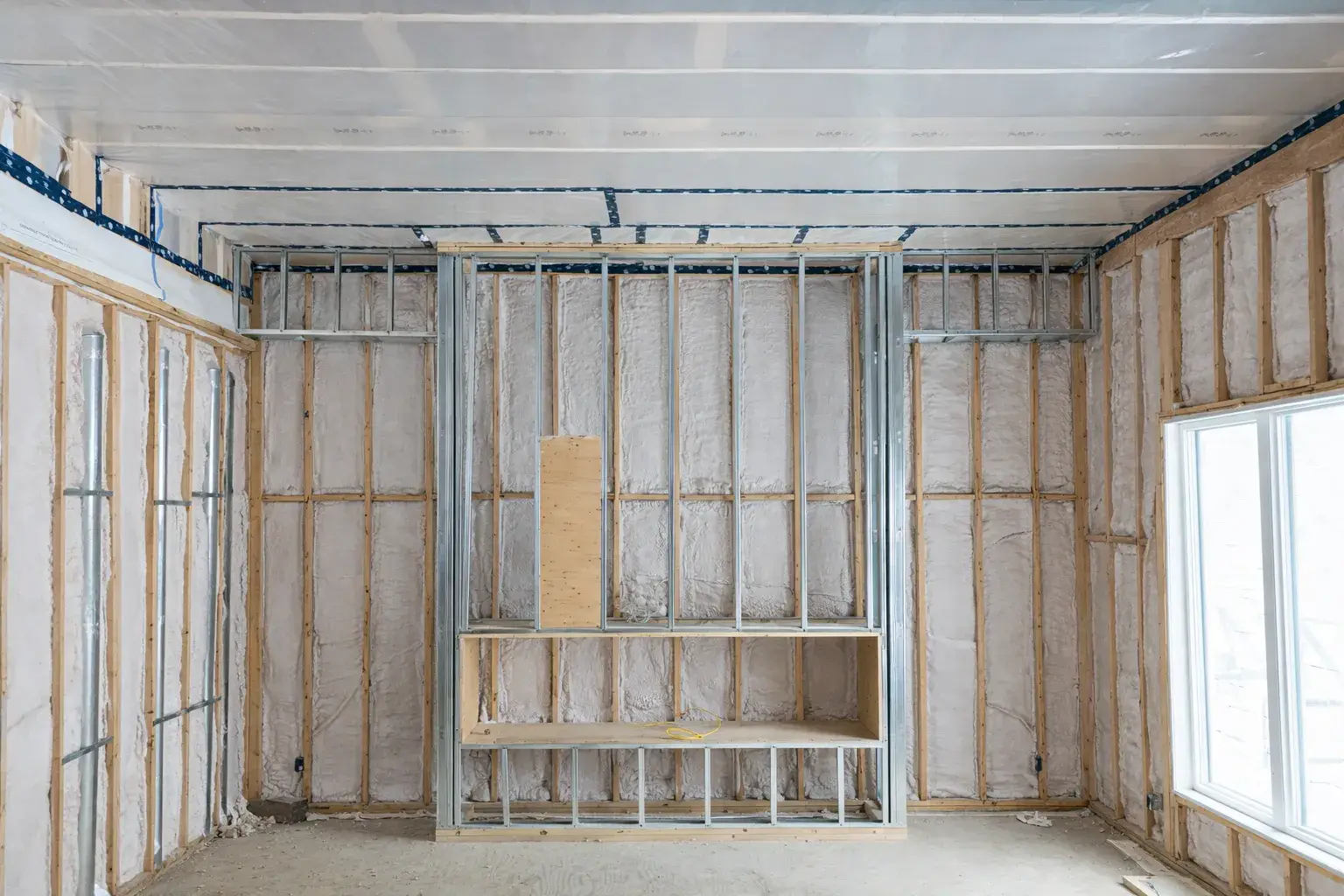
- Walls: older homes with empty cavities benefit from drill and fill insulation. For background, read how Cambridge’s mill-town roots left a lot of under-insulated attics.
- Basement and rim joists: spray foam insulation.
- Garages and workshops: if you heat a garage or outbuilding, see spray foam for garages, workshops and heated outbuildings and garage ceiling insulation.
Step 7: Finish with the details
Weatherstrip doors and the attic hatch, caulk window trim, change the furnace filter and keep registers clear. These are last because they are easy to do at any time, not because they are unimportant.
What the sequence is worth
The U.S. EPA estimates an average 15% saving on heating and cooling costs from air sealing and adding insulation in attics, crawl space floors and basements (ENERGY STAR). It is a modelled figure for typical U.S. homes. Yours will depend on the house.
One more thing about timing
With rebates, when you book can matter as much as what you install. Read why when you book decides whether you get the rebate and see our energy rebate page before you schedule work.
Start at step one
We can do the first look for you. Contact us for an estimate.